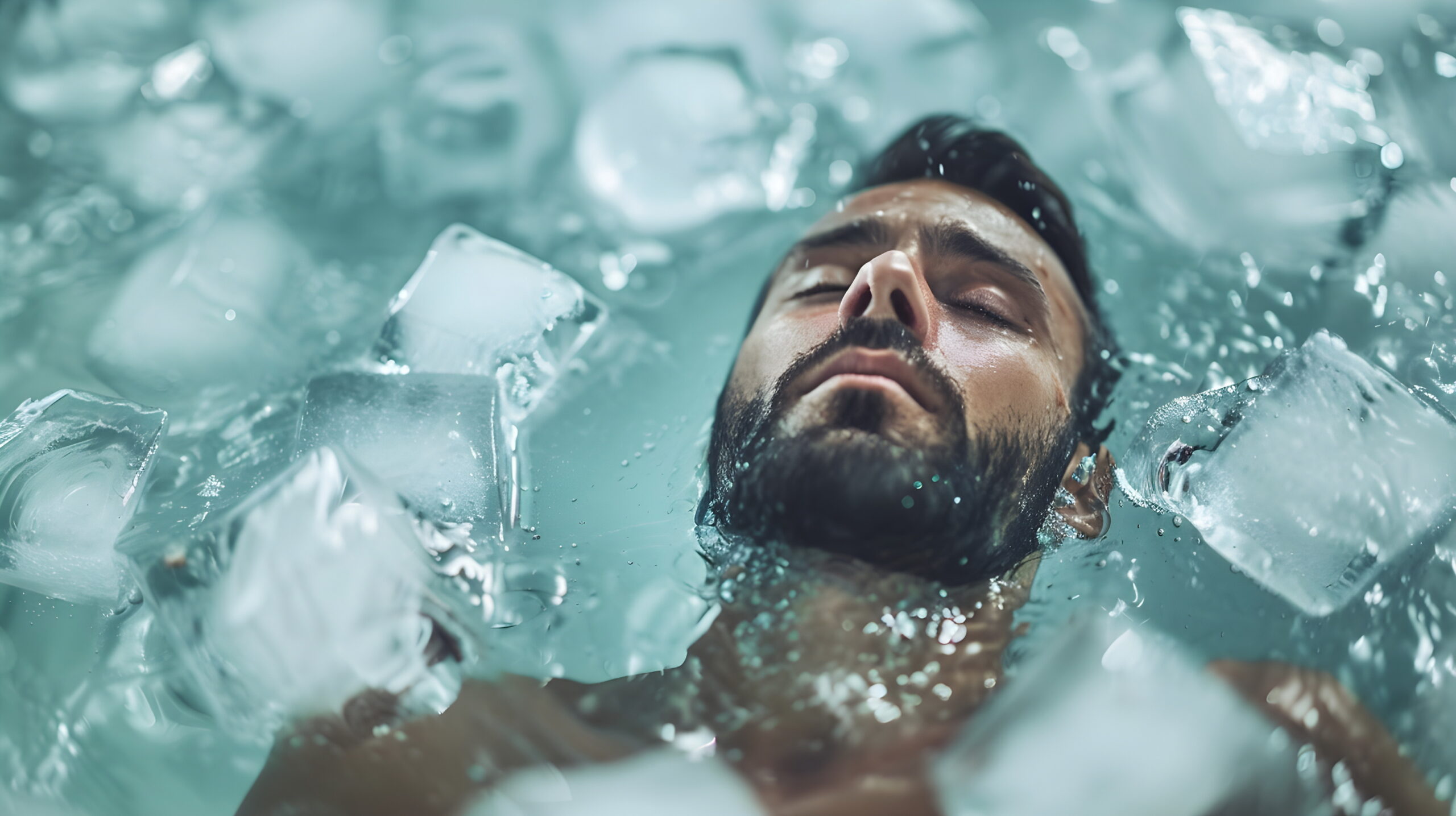
When temperatures drop, winds pick up, and winter storms hit, your body goes into survival mode.
Cold weather doesn’t just make you uncomfortable, it increases muscle tension, slows circulation, stiffens joints, and can even impact your mood and immune response.
That’s exactly why contrast therapy becomes even more powerful during extreme winter days.
What Is Contrast Therapy?
Contrast therapy is the intentional alternation between heat (sauna) and cold (cold plunge).
At studios like Enso Sauna Studio, it typically includes:
- Infrared sauna
- Cold plunge immersion
- Red light therapy (optional add-on)
The goal? To stimulate circulation, reduce inflammation, and train your nervous system to adapt to stress.
And during stormy winter days, your body needs this more than ever.
1. Cold Weather Already Constricts Your Blood Vessels
When you walk outside in freezing NYC wind, your blood vessels constrict to preserve core heat. This reduces circulation to your extremities — which is why your hands, feet, and face feel numb.
Contrast therapy works like a circulation pump:
- Heat (sauna) → Vasodilation (blood vessels expand)
- Cold plunge → Vasoconstriction (blood vessels tighten)
- Repeat → Stronger vascular response and improved blood flow
In winter, this “vascular workout” helps your body regulate temperature more efficiently.
You’re basically training your system to handle the cold better.
2. Stormy Weather = Stiff Muscles & Achy Joints
Barometric pressure changes during storms can increase joint discomfort and muscle tightness. Add freezing temperatures, and your body becomes even more rigid.
Heat therapy:
- Loosens tight muscles
- Improves flexibility
- Relieves stiffness
Cold immersion:
- Reduces inflammation
- Calms swelling
- Speeds recovery
Together, they create a powerful reset — especially if you’ve been tense from commuting, shoveling snow, or staying hunched indoors.
3. Winter Storms Affect Your Mood (More Than You Think)
Grey skies, limited sunlight, and being stuck inside can impact serotonin and energy levels.
Contrast therapy helps by:
- Triggering endorphin release
- Activating dopamine response
- Stimulating circulation to the brain
- Supporting nervous system resilience
Cold exposure in particular has been shown to improve alertness and mood which is why many people feel an immediate mental clarity after a plunge.
Instead of feeling sluggish from the storm, you leave energized.
4. Immune System Support During Cold & Flu Season
Winter storms usually coincide with peak cold and flu season.
Contrast therapy may help by:
- Increasing circulation of immune cells
- Reducing systemic inflammation
- Improving sleep quality (especially after sauna sessions)
While it’s not a cure for illness, regular hot-to-cold exposure supports overall resilience, which is critical when viruses are circulating.
5. It Feels Mentally Empowering During Extreme Weather
There’s something powerful about intentionally stepping into cold water when it’s already freezing outside.
It builds:
- Mental discipline
- Stress tolerance
- Confidence
- Nervous system control
Instead of letting the storm control your mood, you train your body to respond calmly to stress.
And that shift carries into work, relationships, and daily life.
Why It’s Different in Winter vs. Summer
In summer, cold plunges feel refreshing.
In winter, they feel transformative.
Your body is already adapting to environmental stress. Contrast therapy enhances that adaptation in a controlled, safe environment, rather than leaving it to random exposure.
It’s strategic stress. Not accidental stress.